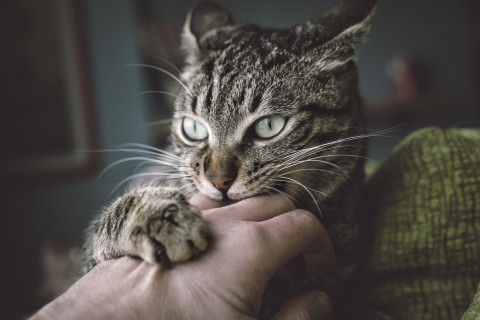


One of the most serious problems you can have caring for your pet is when you want to know if it is feeling pain. This is due to the clear communication limitations and the fact that they can hide it due to their threshold. Therefore, several pets have chronic pain that cannot be identified and when the caregiver finally realizes it, the disease may be quite advanced, making the animal’s recovery much more complicated.
To act preventively and ensure the care of pets, these are some tips to recognize pain in our dogs and cats:
- They stop eating: they lose their appetite for several hours or days. Sometimes they stop drinking water.
- They isolate themselves: They look for a place in the house where they normally are not, sometimes less crowded and dark places like under the bed, they also sleep in secluded places.
- Tremors: They tremble from time to time, initiate a series of skin and muscle movements in localized areas of the body and are sometimes observed throughout the body. Sometimes these tremors increase at night.
- They decrease physical activity: They do not want to go for a walk, they walk with difficulty, they do not jump, they stop climbing on the bed or furniture and they often have the inability to go up and down stairs.
- Character change: Some pets that have chronic or acute pain tend to change their behavior, becoming more irritable, aggressive without apparent cause or simply not allowing themselves to be petted.
- Expression changes: When the pain is chronic or very acute, the facial expression changes, the eyes close a little, sometimes they have “dark circles” and they look sadder.
- Panting and tachycardia: Breathing sometimes becomes faster, they pant constantly, and their heart rate is faster than normal, sometimes we can perceive it by touching their chest.
- Insomnia: If the pain is persistent, pets stop sleeping, they cannot fall asleep and sometimes if they can move, they wander around the house all night, scratching doors, blankets and cannot settle down.
- Moans or screams: When you try to get up or when you lift them, they scream or scream, sometimes they try to bite because of the strong painful sensation.
- Scratching or licking: They lick, bite or scratch uncontrollably the part of the body that hurts the most; it can often be confused with skin changes or a flea bite.